Vision Initiative for Transformation (VITRA) is
a non-partisan, non-profit making, humanitarian and development refugees,
returnees and host communities led organization that endeavors to restore hopes
and transform affected communities in South Sudan. Today’s context requires a
vision that can transform communities by linking relief, rehabilitation and
development for sustainable impact and therefore, the main role shall be
focusing on transforming/catalyzing the change needed.
VITRA was
initiated following the economic crisis that started escalating since 2020
which had a greater toll on the women and youth. It was initiated by a group of
women in 2021 and after a one year of voluntary effort and research on issues
related to establishment, the group met and took key decisions on its
establishment in January 2022. After two
years of voluntary efforts in mobilizing funds, networking and collaboration,
it was eventually formally registered with the Relief and Rehabilitation Commission
in January, 2023 as per the NGOs Act 2016 with registration No. 3561. VITRA is
a member of like-minded organizations forums, clusters and technical working
groups.




To catalyze the attainment of inspirations and hopes of communities, civil society organizations, and public institutions in their quest for building resilient mechanisms all the time. Our mission is clear: To empower South Sudanese communities by supporting initiatives that promote self-sufficiency, resilience, and dignity. We are dedicated to improving access to critical services such as healthcare, education, clean water, and sanitation, while also working to enhance disaster preparedness and response.
Communities living a dignified life. At VITRA, we envision a future where all communities in South Sudan enjoy a dignified life free from the challenges that currently limit their potential. We strive for a South Sudan where vulnerable populations not only receive humanitarian aid but also build sustainable livelihoods and achieve lasting stability.
Where we come from
To strengthen the institutional capacity of VITRA and its partners in both the public and private sectors, enabling them to effectively deliver public goods and services to communities in need.
Key Actions:
-
Capacity Building: Provide training programs and technical support to public and private institutions to improve their ability to manage resources, implement projects, and deliver services.
-
Partnership Development: Foster collaborations with governmental bodies, local organizations, and the private sector to ensure coordinated service delivery.
-
Institutional Strengthening: Strengthen leadership, governance, and management systems within VITRA and partner organizations to ensure long-term sustainability and effective service provision.
Impact:
Strengthening institutional capacities enables more efficient service delivery and ensures that both VITRA and its partners can meet the evolving needs of the communities we serve. This approach leads to more transparent, accountable, and effective governance and development.
To provide access to high-quality education for children, youth, and adults, equipping them with the skills and knowledge needed to contribute positively to society and improve their socio-economic conditions.
Key Actions:
-
School Infrastructure Development: Build new schools and renovate existing ones to ensure safe and conducive learning environments.
-
Teacher Training and Support: Implement professional development programs for teachers to enhance teaching quality and student outcomes.
-
Provision of Learning Materials: Distribute educational resources such as textbooks, digital learning tools, and classroom supplies to ensure that students have access to necessary learning materials.
-
Adult and Vocational Education: Offer adult literacy programs and vocational training to help communities gain practical skills for economic self-sufficiency.
Impact:
By increasing access to quality education, we empower individuals to improve their lives, foster community development, and contribute to national growth. Education is the cornerstone of sustainable development, opening doors to employment opportunities and reducing poverty.
To ensure the safety, protection, and empowerment of vulnerable groups, including women, children, persons with disabilities, and marginalized communities, protecting them from violence, exploitation, and abuse.
Key Actions:
-
Protection Services: Establish safe spaces for vulnerable groups, providing shelter, counseling, and legal aid to victims of abuse and violence.
-
Awareness Campaigns: Run community outreach programs to raise awareness about the rights of vulnerable groups and promote social inclusion.
-
Advocacy and Policy Support: Work with local and national governments to advocate for stronger legal protections and policies that safeguard the rights of marginalized groups.
-
Inclusive Programming: Ensure that all programs are designed with the needs of vulnerable groups in mind, ensuring equal access to services and opportunities.
Impact:
Improving safety and protection leads to stronger, more cohesive communities where all individuals, regardless of their background, feel safe, valued, and empowered to contribute to societal development.
To enhance food security and create sustainable livelihood opportunities, improving the economic stability and well-being of vulnerable populations.
Key Actions:
-
Agricultural Support Programs: Provide farmers with training on sustainable farming techniques, access to quality seeds, and irrigation systems to improve crop yields.
-
Income-Generating Activities: Support small businesses and entrepreneurship through training, microfinance, and access to markets.
-
Vocational and Skills Training: Offer training programs in trades such as carpentry, tailoring, and welding, helping individuals create new income streams.
-
Food Distribution and Assistance: Implement emergency food relief programs in areas affected by conflict, drought, or other crises.
Impact:
Increasing food security and livelihood opportunities ensures that communities are self-sufficient and able to meet their basic needs. It reduces poverty, promotes economic resilience, and fosters long-term sustainability in the face of adversity.
To improve access to clean, safe water and sanitation facilities, promoting better hygiene and public health for all communities.
Key Actions:
-
Water Infrastructure Development: Construct boreholes, wells, and water treatment facilities to provide communities with access to clean and safe drinking water.
-
Sanitation Facility Construction: Build gender-sensitive latrines and hygiene facilities in schools, healthcare centers, and communities.
-
Hygiene Education: Run public health campaigns to raise awareness about proper hygiene practices, water purification, and disease prevention.
-
Community Water Management: Establish water user committees to manage and maintain water sources, ensuring long-term sustainability.
Impact:
Access to clean water and sanitation improves health outcomes, reduces the incidence of waterborne diseases, and enhances overall living conditions. It also empowers communities to take ownership of their resources, contributing to sustainability.
To increase access to quality healthcare services, reducing mortality and improving the health outcomes of vulnerable populations.
Key Actions:
-
Health Infrastructure Expansion: Build and rehabilitate healthcare centers to ensure they are accessible, well-equipped, and staffed.
-
Mobile Health Clinics: Deploy mobile health units to reach remote and underserved communities, providing essential medical services.
-
Training Health Workers: Provide continuous training and capacity building for healthcare workers to improve service delivery and patient care.
-
Preventive Health Programs: Implement vaccination campaigns, maternal and child health programs, and awareness campaigns on disease prevention.
Impact:
Improving access to quality healthcare reduces the burden of disease, enhances life expectancy, and supports the overall health and well-being of the population. It ensures that every individual, regardless of location or background, has access to the medical care they need to live a healthy life.
INDICATIVE ACITIVITIES RELEVANT TO THE OBJECTIVES
01 Improve institutional capacities of VITRA and its public and private institutions partners for enhanced public goods and services delivery
1.1 Carry out internal and public/private partners
institutional development assessments.
1.2 Facilitate training in areas of governance,
collaboration and networking
1.3 Exposure of stakeholders to the best policies
and regulatory frameworks practices
1.4 Support the development of favorable sector
specific policies and regulatory frameworks.
1.5 Creation
of awareness on developed policies and regulatory frameworks
1.6 Link the private sector
institutions/individuals with financial institutions for accessing loans and
markets
02 Increase access to quality education
2.1 Support
establishment of learning spaces
2.2 Training of
teachers/instructors
2.3 Provision of learning aids/materials
2.4 Sponsoring students
03 To Increase Safety and Protection of Vulnerable Groups
3.1 Creation of awareness on issues related to
protection of vulnerable groups.
3.2 Lobby and advocate for favorable laws and
regulations relevant to protection
3.3 Facilitate dialogues among the stakeholders
3.4 Provision of legal aid.
3.5 Training of relevant stakeholders on safety and
protection of vulnerable groups.
04 Increase Access to Improved Food Security and Livelihoods Opportunities
4.1 Creation of awareness on issues relevant to
food security and livelihoods
4.2 Conduct trainings on climate change and copying
mechanisms
4.3 Provide production and value addition tools and
equipment
4.4 Provide data and information on linkages with
markets and financial institutions
4.5 Provide trainings on entrepreneurship
4.6 Provision of seed capital
4.7 Provide relief food and non-food items
05 Increase Access to Potable Water and Habitable Sanitation and Hygiene
5.1 Establishment/maintenance/improvement/ of safe
water, hygiene and sanitation facilities
5.2 Promotion of safe water, hygiene and sanitation
attitudes and practices
5.3 Establishment and training of water user
committees and maintenance volunteers
5.4 Supply of safe water tools and equipment
06 Improve Access to Quality Health Care
6.1 Provision/supply of medical
tools/equipment/medicines/materials
6.2 Construction/rehabilitation of health
facilities
6.3 Training of health carders.
6.4 Promotion of sound health practices and household levels
6.5 Carry out health promotion campaigns.
Our core values guide everything we do. These principles are central to our operations, shaping how we engage with communities, our partners, and the individuals we serve. Our commitment to these values ensures that we continue to work with integrity and excellence, driving positive change and sustainable development across South Sudan.
Our Core Values
Key Achievements
Although not yet formally registered during its formation years of 2021/2022, and through volunteerism by young energetic and visionary individuals, VITRA managed to achieve the following key milestones, before finally being formally registered in early 2023.
·
Enjoying
goodwill and encouragement from her partners and consequently obtaining funding
from Foundation for Youth Initiative (FYI) and Lokimajid Forwarding and
Clarence Ltd (contractor of WFP)
respectively
·
Managed
to carry out needs assessment in Maban especially refugees camps
·
Developed
a strategic plan for 2023-2027
·
Developed
several policies and manuals that guide the day-to-day running of the
organization including human resource policies, finance and procurement,
Anti-fraud and anti-corruption policy
·
Develop
its website
·
Purchased
basic office furniture and equipment.
·
Managed
to install financial management system (QuickBooks), that ensured
accountability and transparency of its meagre resources
·
Obtained
a number of committed team of volunteers largely made up of young graduates
from universities and high schools in South Sudan and the East Africa region
·
Audited
its 2024 accounts.
•
Implemented
gender and protection awareness sessions in Maban
•
Trained women
on economic empowerment (vegetable growing and soap making)
•
Supported
renovation of gender sensitive latrines
•
Distributed
agricultural inputs
•
Conducted
peace building meetings in cattle camps around Juba targeting cattle camps
youths and traditional leaders
VITRA seeks to create suitable environment for collaboration and synergy with the government authorities, NGOs, CBOs,
communities and other actors in order to leverage collective effort for efficiency and effectiveness
In the counties of Terekeka, Juba, and Maban, VITRA will remain well-represented. However, VITRA will work with partners and relevant authorities around the nation to exchange knowledge and skills, build synergies in promoting and fostering the achievement of its vision, mission and objectives beyond the current geographical coverage.

PDonations are a vital source of funding for VITRA’s operations. These contributions come from individuals, corporations, and foundations who share our vision of a better future for South Sudan. Donors support our projects and initiatives, enabling us to provide life-saving assistance and drive long-term development in vulnerable communities.
VITRA receives financial support from individuals and organizations that join as members. These contributions help sustain our programs and allow us to expand our reach. Members also play an active role in shaping VITRA’s mission, ensuring that our efforts align with community needs and priorities.

VITRA generates additional income through the rental of office spaces and other facilities. These funds are reinvested into our projects and programs, helping to cover operational costs and ensuring that a significant portion of donations and grants goes directly to community-based initiatives.
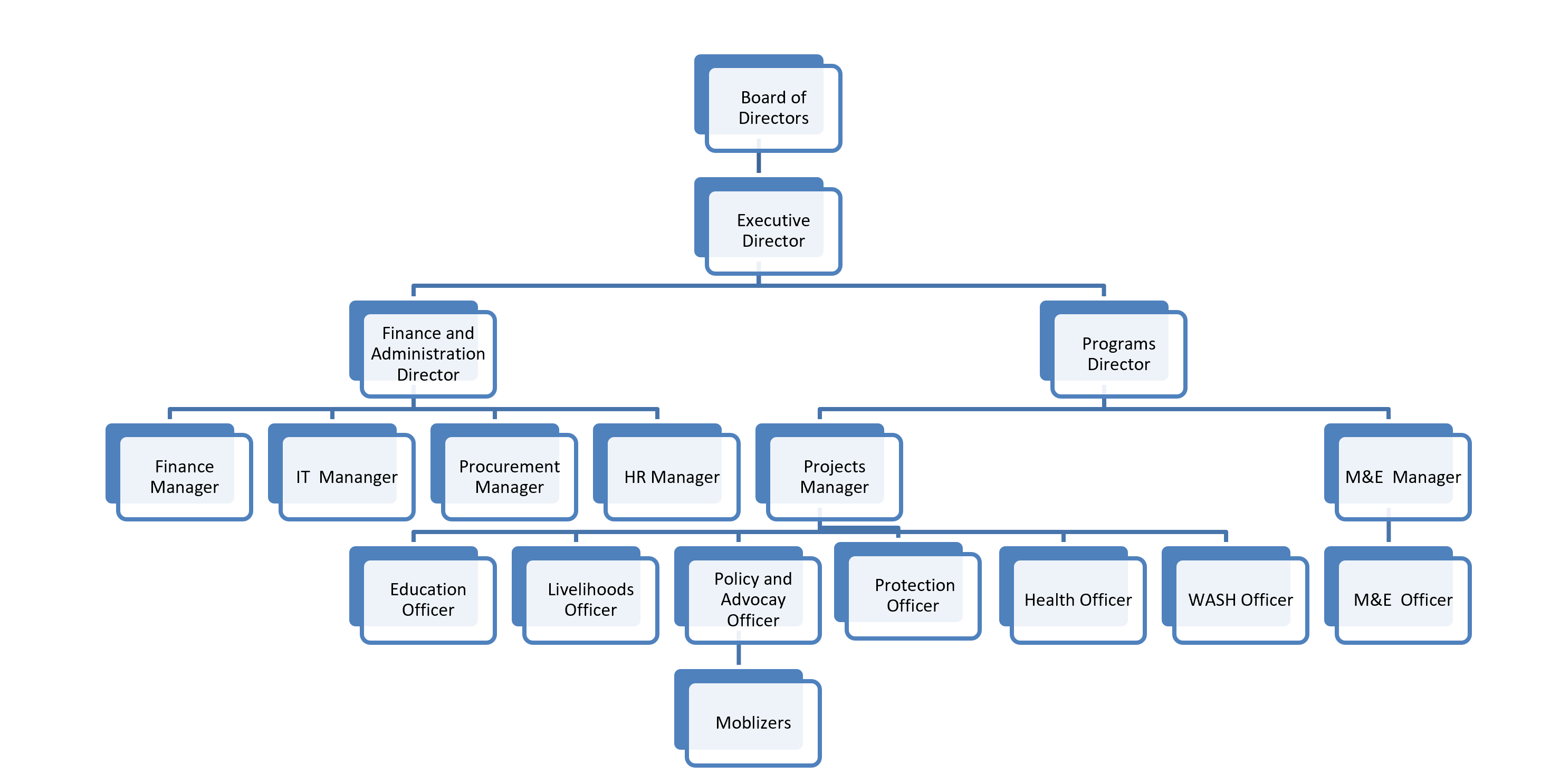
Organization Structure